Articel Details
High-Performance Polyurethane Adhesives | Strength, Toughness & Sustainable Bonding Solutions
Discover how high-performance polyurethane adhesives achieve superior bonding strength and toughness through molecular design. Explore bio-based, recyclable PU adhesive solutions for aerospace, automo
07-09-26

From “All-Purpose Glue” to “Smart Material”: The Evolution of Polyurethane Adhesives
Have you ever wondered how a running shoe sole stays firmly attached through countless miles? How a car dashboard remains perfectly bonded after years of sun exposure? Or what material gives food packaging its elastic yet durable seal?
The answer likely points to the same material: polyurethane adhesives (PU adhesives) . These versatile bonding agents have become indispensable across modern industry and everyday life. But they are no longer just the “all-purpose glue” you might remember—driven by scientific innovation, they are undergoing a remarkable transformation from simple connectors to intelligent, sustainable materials that deliver both bonding strength and adhesive toughness like never before.
What Makes Polyurethane Adhesives “All-Purpose”?
The core advantage of polyurethane adhesives lies in their remarkable molecular design flexibility. Formed through the reaction of isocyanates and polyols, their properties can be customized like building blocks by adjusting raw material ratios, types, and functional segments. This allows them to achieve both high bonding strength for structural bonding applications and excellent flexibility to accommodate material expansion and contraction.
The most common industrial form is the two-component polyurethane adhesive—where a “base” component containing active hydrogens and a “hardener” containing isocyanate groups are stored separately. Only when mixed in the correct ratio and applied does the curing reaction begin, creating a strong, durable bond across substrates ranging from metals and glass to plastics and composites.
Scientific Breakthrough: Breaking the “Strength vs. Toughness” Trade-off
Traditional high-performance adhesives have long faced a fundamental challenge: the trade-off between strength and toughness. In simple terms, extremely strong adhesives tend to be “brittle” and cannot withstand impact and vibration well, while tough, stretchable adhesives often lack sufficient bonding capacity.
This limitation has seen significant breakthroughs in recent years through multiscale engineering approaches. Researchers have developed novel polyurethane adhesive formulations that build hierarchical structures from the molecular level to the macroscopic scale—incorporating features such as dynamic crosslinking networks, nanoscale hard phase domains, and crystallizable molecular segments. This sophisticated design simultaneously enhances the adhesive’s cohesion and interfacial adhesion, achieving exceptional bonding strength while maintaining high work of debonding—meaning the joint can absorb substantial energy before failure, a critical requirement for aerospace bonding and automotive bonding applications.
Moreover, advanced formulations now demonstrate remarkable extreme-environment resilience, including temperature resistance that extends to cryogenic conditions—with some adhesives maintaining over 9 MPa of strength even in liquid nitrogen at -196°C. Combined with excellent water resistance and long-term durability, these materials are enabling new possibilities in the most demanding industrial environments.
Beyond Bonding: A Green and Sustainable Future
Beyond performance leaps, the future of polyurethane adhesives lies in sustainability. The industry is increasingly shifting toward green materials and bio-based adhesives derived from renewable feedstocks such as soybean oil, castor oil, and lignin—a natural aromatic compound abundant in plant cell walls.
These bio-based adhesives not only reduce dependence on petroleum-derived raw materials but also offer additional functional benefits. Lignin-based formulations, for example, demonstrate inherent flame-retardant properties while creating “rigid-flexible coupling” structures that balance strength and flexibility. Many products now achieve high bio-based carbon content while remaining solvent-free and low-emission, significantly reducing environmental impact during production and use.
Crucially, next-generation formulations are also designed to be recyclable and even biodegradable, addressing end-of-life concerns that conventional adhesives have long posed. This dual focus on high performance and environmental responsibility positions polyurethane adhesives as a cornerstone of sustainable manufacturing across industries.
Precision in Process: Making Good Adhesives Work Even Better
A high-performance two-component adhesive is only as good as its application. To achieve the full potential of advanced PU formulations, precision metering and mixing systems are essential. These systems use high-accuracy gear pumps to control the mixing ratio within ±1% tolerance, ensuring that base and hardener components are combined in the exact proportions required for optimal curing.
Static mixing technology eliminates the need for solvent flushing, reducing waste and environmental impact while ensuring homogeneous dispersion of components. Modern dispensing systems also integrate features such as heating, stirring, and vacuum degassing to maintain the adhesive’s optimal working condition—preventing sedimentation, cooling, or bubble formation that could compromise bond quality.
For manufacturers working with two-component polyurethane adhesives, investing in reliable metering equipment for two-component adhesives is not just about quality control—it is about unlocking the full performance potential of advanced adhesive chemistry. Whether in electronics packaging, automotive assembly, aerospace structures, or construction adhesives applications, precision dispensing ensures consistent, repeatable, and durable bonding results.
Looking Ahead
From simple bonding to breakthroughs in high strength, ultra-toughness, extreme-environment resilience, and sustainability, the evolution of polyurethane adhesives reflects materials science pushing boundaries. They are no longer just “glue”—they have evolved into intelligent, green, high-performance materials, connecting and shaping our world in unprecedented ways. As research continues to unlock new possibilities in molecular design and sustainable chemistry, the next generation of high-performance adhesives will undoubtedly bring even more innovative solutions to the challenges of modern manufacturing and engineering.
If you are facing challenges with filling Polyurethane adhesives and would like to learn more about our proven semi-automatic two-component filling solution, please feel free to click the link below to request our technical data sheets and case studies. Our engineering team is ready to assist you.
Keywords:#How to achieve high strength and toughness in polyurethane adhesives #Sustainable alternatives to petroleum-based adhesives #Bio-based polyurethane adhesive for industrial applications #Precision dispensing system for two-component PU glue #Polyurethane adhesive performance in extreme environments
Related Products
https://www.wefilltec.com/ab-two-component-filling-and-capping-machine
https://www.wefilltec.com/filling-dispensing-capping-machine
https://www.wefilltec.com/fully-automatic-filling-capping-labeling-line
Recent Blog Here
Related Articles
Articel
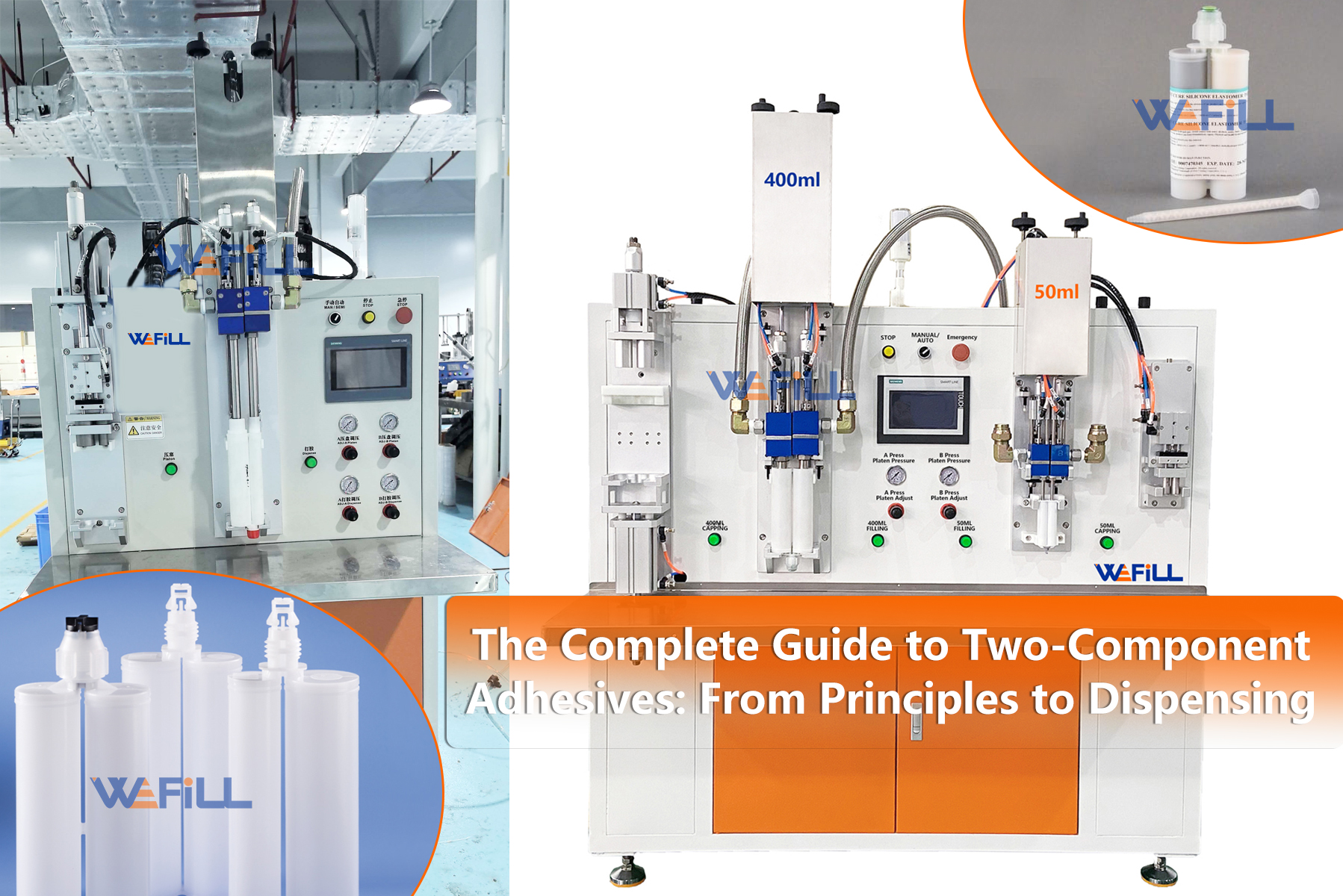
The Complete Guide to Two-Component Adhesives: From Principles to Dispensing
All the Lorem Ipsum generators on the Internet tend to repeat predefined chunks.
Articel
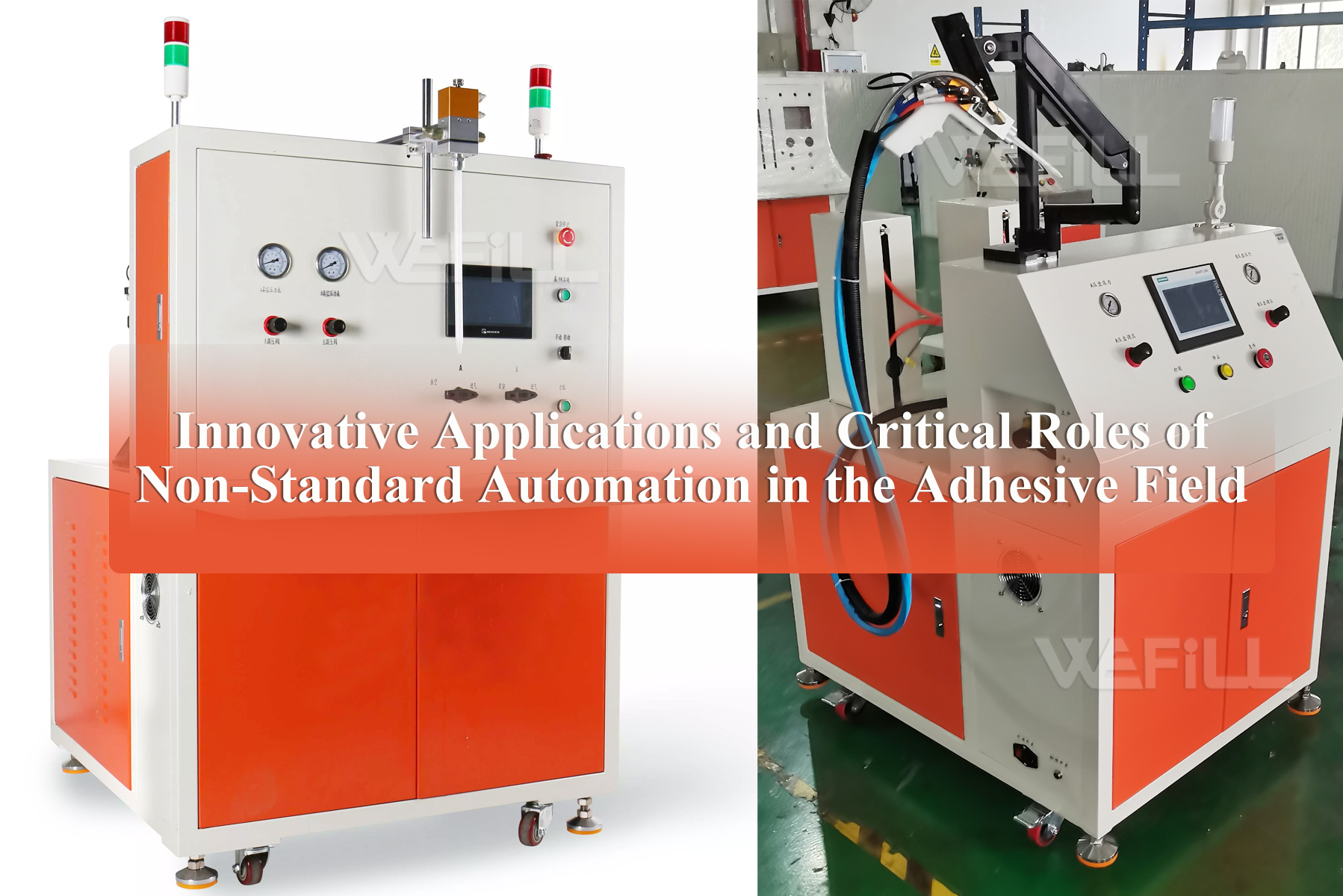
How Does Non-Standard Automation Revolutionize Adhesive Applications? — WEFILL's Future of Precision, Efficiency, and Intelligence
All the Lorem Ipsum generators on the Internet tend to repeat predefined chunks.
Articel
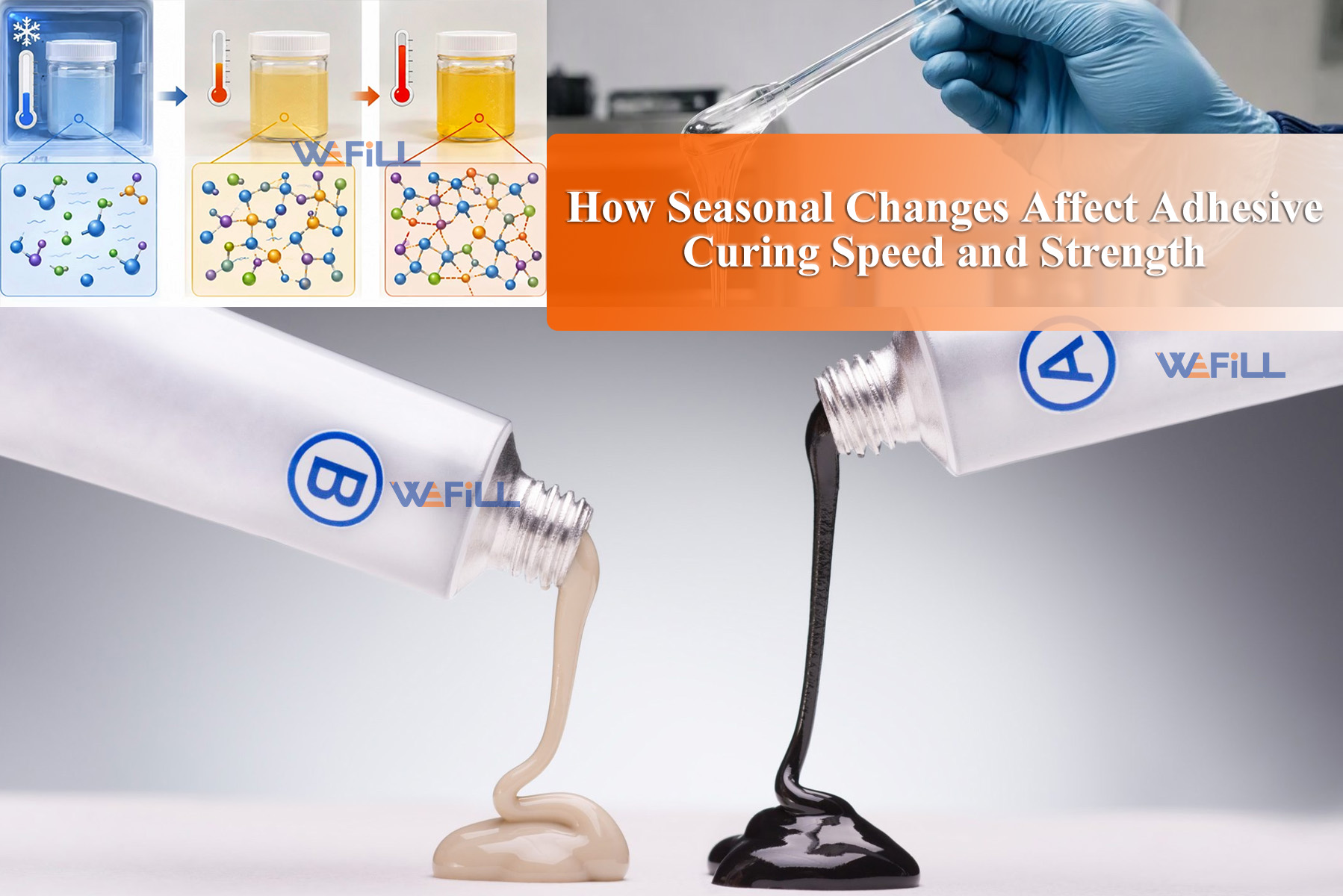
How Seasonal Changes Affect Adhesive Curing Speed and Strength
All the Lorem Ipsum generators on the Internet tend to repeat predefined chunks.
Articel
Large Platen AB Two-Component Adhesive Filling & Capping Machine: An Efficient and Precise Industrial Innovation
All the Lorem Ipsum generators on the Internet tend to repeat predefined chunks.

Articel
High-Performance Polyurethane Adhesives | Strength, Toughness & Sustainable Bonding Solutions
All the Lorem Ipsum generators on the Internet tend to repeat predefined chunks.