Articel Details
Single-Component Adhesive Filling Machine Development Overview: From Manual Dispensing to Smart Manufacturing
This guide covers the development of single-component adhesive filling machines, from early manual methods to today's smart, IoT-enabled manufacturing systems.
07-09-26

Single-Component Adhesive Filling Machine Development Overview: From Manual Dispensing to Smart Manufacturing
In modern industrial manufacturing, single-component adhesive filling machines have become indispensable production line equipment, prized for their precision and efficiency. The evolution from manual operation to fully automated control represents the manufacturing industry's relentless pursuit of higher efficiency and superior quality.
This article explores the technological evolution, industry applications, and future trends of single-component adhesive filling machines, while highlighting WEFILL TECH's professional solutions in this field.
From "Handcraft" to "Precision Engineering": A Technological Evolution
1. The Beginning: The Limitations of Manual Dispensing
Dating back to the late 20th century, as the chemical industry flourished, adhesives became widely used across various sectors as critical bonding agents. However, initial dispensing work relied heavily on manual labor—not only inefficient but also lacking in accuracy and consistency. For high-viscosity paste-like adhesives, manual operations frequently caused stringing, residue buildup, and air entrapment, directly compromising bond strength and sealing performance.
2. The Breakthrough: First-Generation Automatic Filling Machines
With advancements in electronic and automatic control technologies, the first generation of automatic adhesive filling machines emerged. By utilizing programmable controls to regulate adhesive dispensing, they solved the consistency issues inherent in manual operations and dramatically improved production throughput. This marked the industry's first step from "manual" to "mechanical" processing.
3. Refinement: High-Tech Integration and Precision Leap
Entering the 21st century, single-component adhesive filling machines began incorporating precision metering pumps, microcomputer control systems, and other advanced technologies. Modern machines can achieve dosing accuracy within ±1%, a critical requirement for applications demanding strict adhesive volume control.
Particularly for single-component adhesives such as silicones, UV-curable resins, and epoxy compounds, which are moisture-sensitive and high-viscosity, contemporary filling machines must address key challenges: moisture-proof sealing, clog prevention in fluid paths, and precise metering. This prevents premature curing caused by moisture exposure—a common failure mode for single-component polyurethane sealants.
Simultaneously, human-machine interfaces have become increasingly user-friendly, with operators able to set parameters via touchscreens and even perform remote monitoring and fault diagnostics.
Industry Applications & Market Trends: Beyond Just "Filling"
Technological progress has driven significant market expansion. Today, single-component adhesive filling machines extend far beyond traditional packaging, automotive, and electronics sectors—they are now widely deployed in new energy, medical devices, aerospace, and other high-tech industries.
The diversification of market demands has compelled manufacturers to offer more specialized and customized solutions. For instance, in cleanroom environments for medical electronics, filling machines must comply with GMP standards and support clean-in-place (CIP) procedures. In new energy EV battery module encapsulation, equipment must deliver exceptional stability and enable data traceability through integration with MES systems.
Moreover, increasingly stringent environmental regulations are shaping industry priorities. Filling machines must feature robust sealing and cleaning capabilities to prevent adhesive leakage and contamination from cured residues. Many advanced models now incorporate enclosed designs and automated cleaning systems, enhancing operator safety while minimizing environmental impact.
The Smart Manufacturing Era: Connectivity and Self-Adaptation
Looking ahead, driven by Industry 4.0 and smart manufacturing initiatives, single-component adhesive filling machines will evolve toward intelligence and network connectivity.
By integrating high-precision sensors and IoT technologies, these machines will enable real-time data acquisition and cloud-based analytics, providing immediate feedback for process optimization. Furthermore, AI algorithms will be leveraged for path optimization and predictive fault detection—empowering machines to autonomously learn optimal parameters and respond proactively to anomalies such as needle clogging or empty adhesive cartridges. This heralds a future of truly "self-adjusting, self-healing" intelligent operations.
WEFILL TECH: Your High-Precision Fluid Control Partner
With over 15 years of experience in fluid control technology, WEFILL TECH is committed to delivering innovative packaging and dispensing solutions for the global adhesive industry.
Our single-component adhesive filling machines are specifically designed for bulk-to-syringe dispensing applications. They feature high automation, user-friendly operation, and are ideally suited for various single-component paste-like fluid materials. Key technical advantages include:
Precision Metering: Filling accuracy up to ±0.2g, ensuring batch-to-batch consistency and meeting the most stringent quality control standards.
Moisture-Proof Sealing Design: Preserves material integrity throughout the filling process, effectively preventing moisture-induced curing—critical for single-component adhesives.
Stable Dispensing: Optimized fluid path and control systems minimize common issues like stringing and air bubbles.
Broad Adaptability: Our product portfolio covers electronics, new energy, automotive components, and medical industries, supporting high-volume production needs.
Conclusion
The evolution of single-component adhesive filling machines is a testament to the relentless pursuit of precision and efficiency. From manual operations to AI-enabled automation, each technological leap has profoundly shaped industrial manufacturing capabilities. As a dedicated player in this field, WEFILL TECH will continue driving innovation to deliver smarter, more precise fluid control solutions—empowering our customers to gain a competitive edge in the era of smart manufacturing.
If you are seeking high-precision single-component adhesive filling solutions, feel free to contact us for more information.
#Single-component adhesive filling machine #Single-component dispensing machine #Automatic filling machine #Adhesive dispensing equipment #Precision adhesive filling equipment #Bulk to syringe adhesive filling machine #High viscosity paste filling machine #Single-component sealant filling machine #Moisture-proof adhesive filling equipment #Syringe filling automation equipment #Precision metering pump dispensing system #High precision filling machine ±0.2g accuracy #Electronics industry adhesive filling machine #New energy battery potting equipment #Automotive parts dispensing & filling system #Adhesive batch filling production line #Medical device filling equipment #AB glue automatic dispensing machine #3-axis dispensing equipment #Anti-curing sealing filling machine #Bubble-free stable dispensing #Automated fluid control solutions #Two-component / Single-component filling system #Filling machine manufacturer / supplier #High-precision fluid control solutions #WEFILL TECH single-component filler
Recent Blog Here
Related Articles
Articel
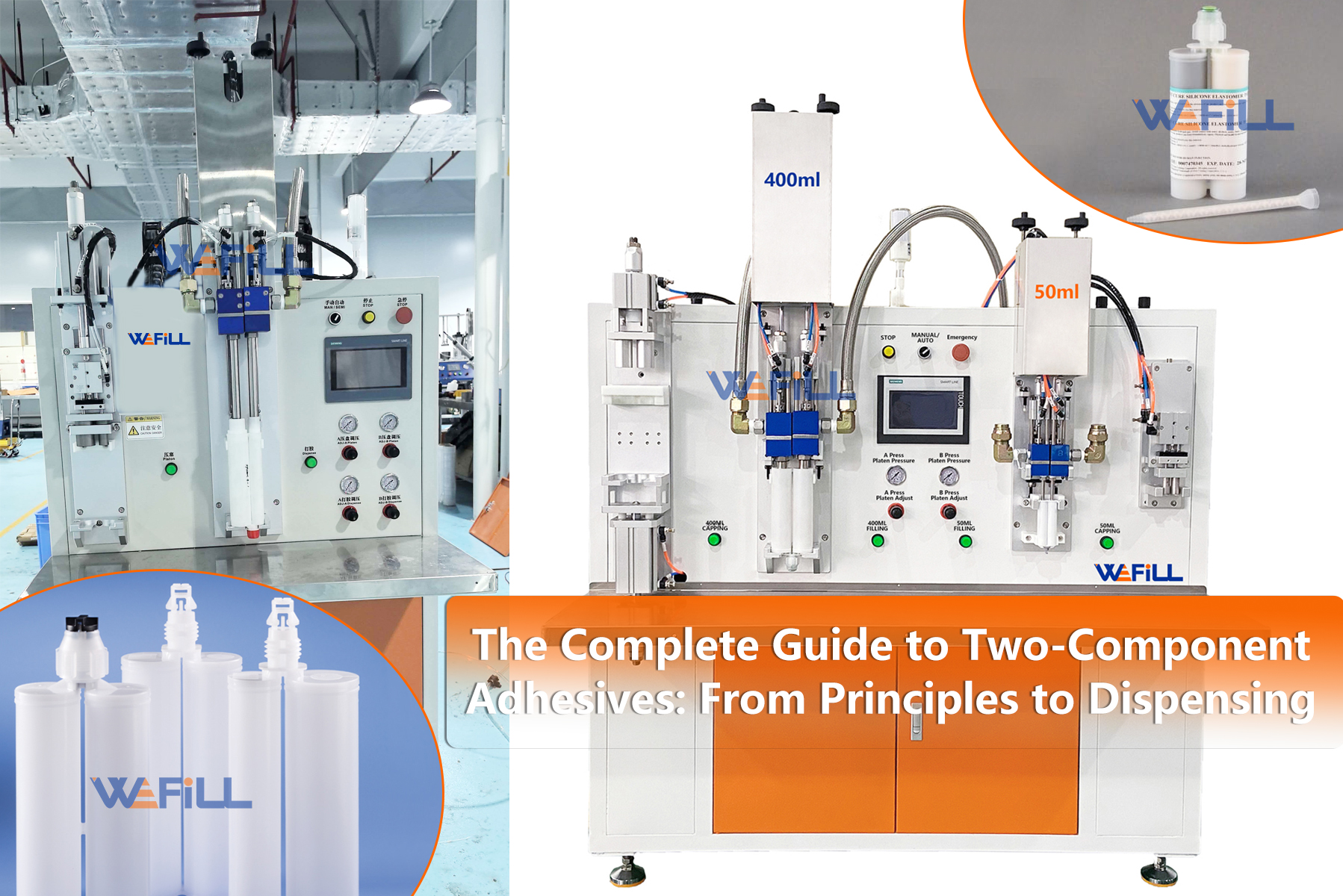
The Complete Guide to Two-Component Adhesives: From Principles to Dispensing
All the Lorem Ipsum generators on the Internet tend to repeat predefined chunks.
Articel
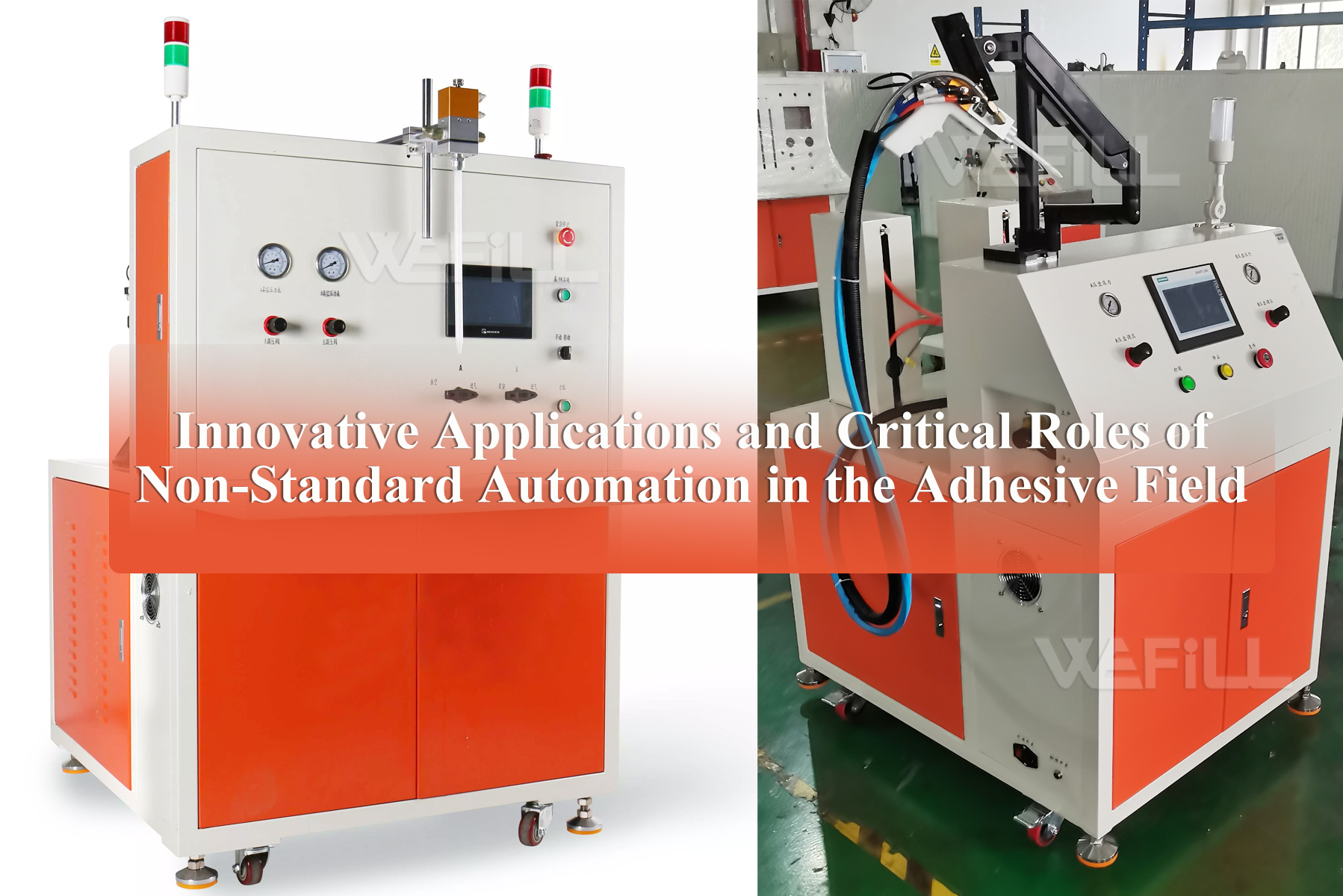
How Does Non-Standard Automation Revolutionize Adhesive Applications? — WEFILL's Future of Precision, Efficiency, and Intelligence
All the Lorem Ipsum generators on the Internet tend to repeat predefined chunks.
Articel
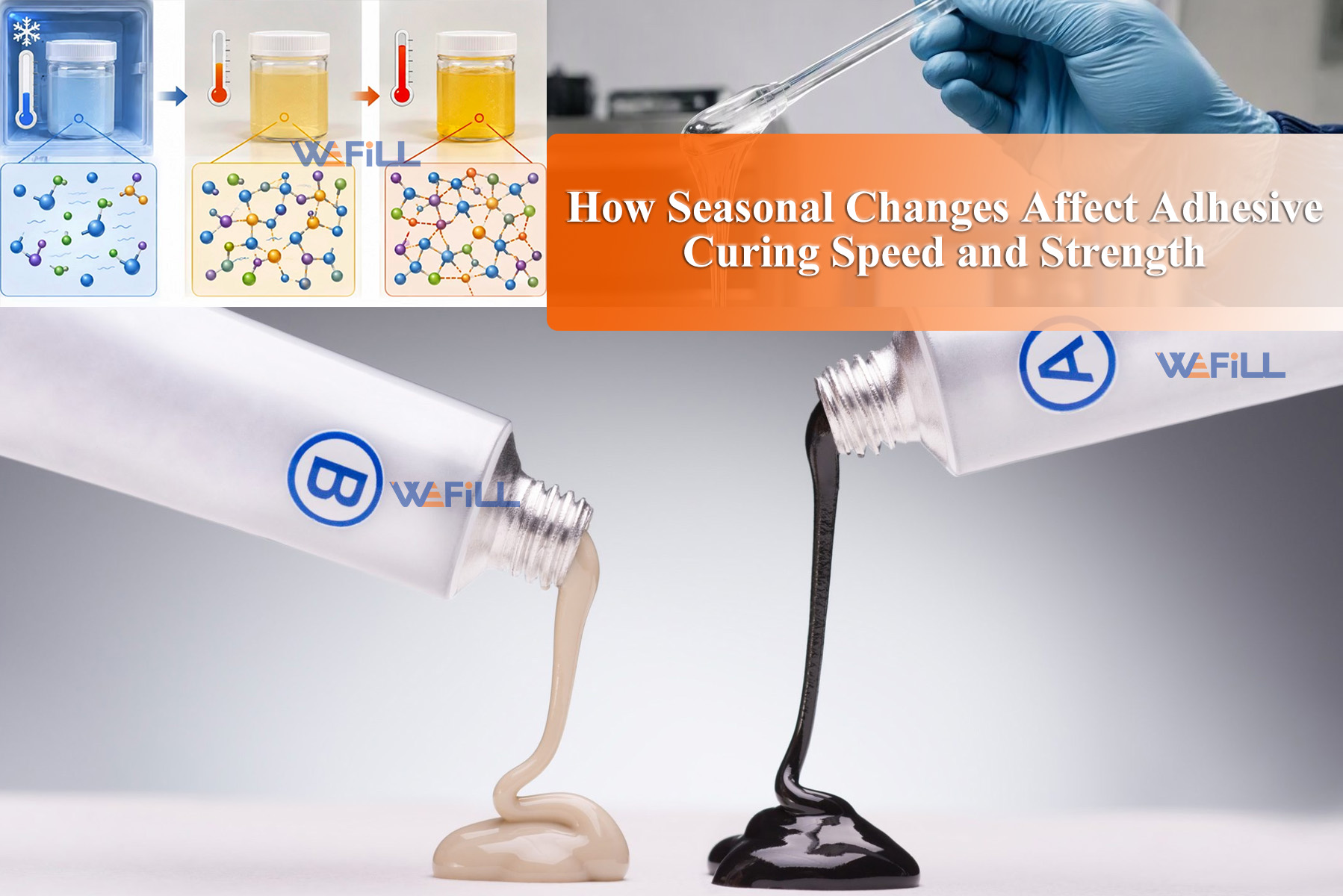
How Seasonal Changes Affect Adhesive Curing Speed and Strength
All the Lorem Ipsum generators on the Internet tend to repeat predefined chunks.
Articel
Large Platen AB Two-Component Adhesive Filling & Capping Machine: An Efficient and Precise Industrial Innovation
All the Lorem Ipsum generators on the Internet tend to repeat predefined chunks.

Articel
High-Performance Polyurethane Adhesives | Strength, Toughness & Sustainable Bonding Solutions
All the Lorem Ipsum generators on the Internet tend to repeat predefined chunks.