Articel Details
The Complete Guide to UV Adhesive: Applications and Troubleshooting
Learn about UV adhesive applications across glass, optics, automotive, and electronics. Plus, fix common issues like uncured overflow, summer detachment, and plastic cracking with practical solutions.
18-07-26
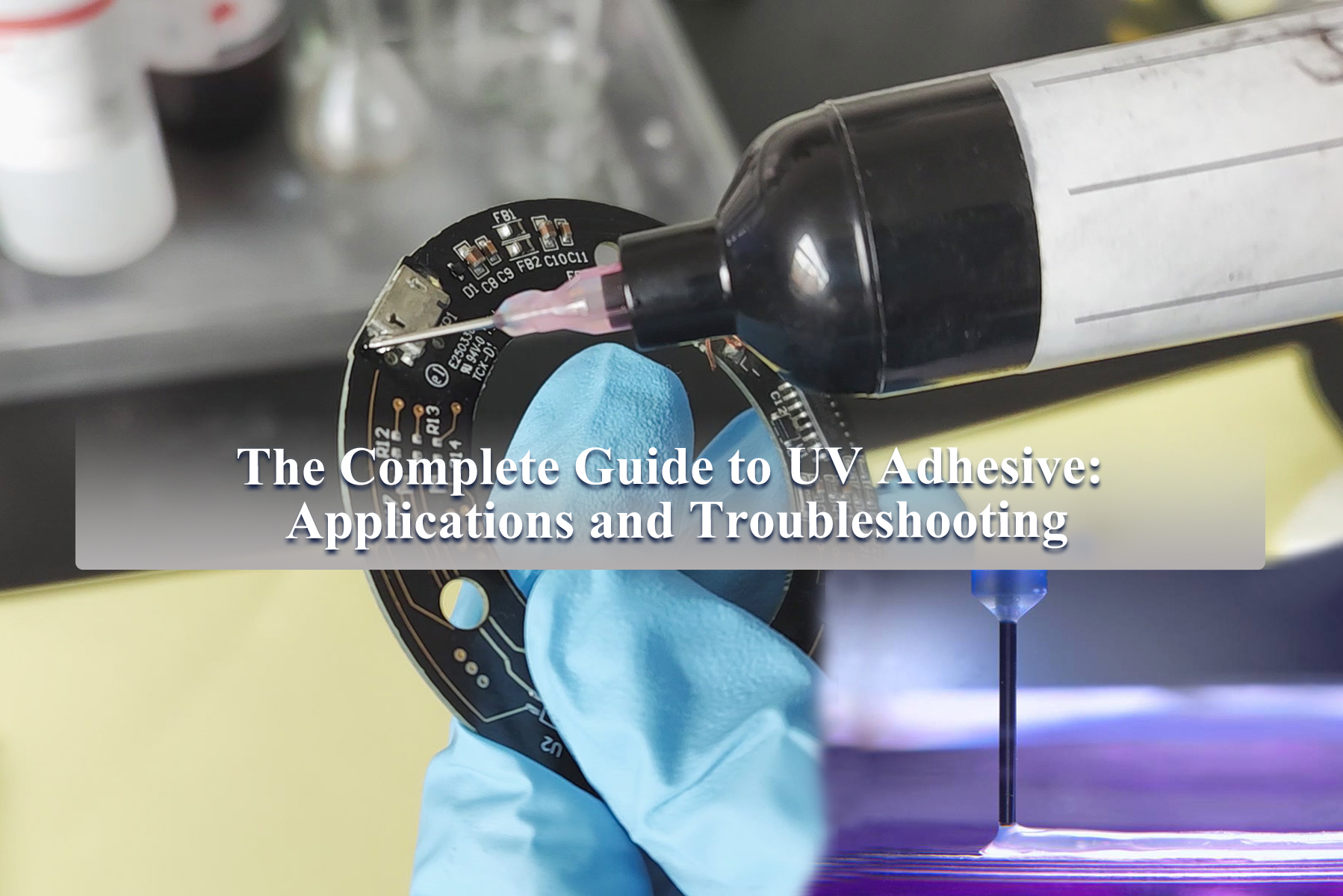
The Complete Guide to UV Adhesive: Applications and Troubleshooting
With the rapid development of China's chemical industry, UV-curable adhesives (commonly known as UV glue) have become indispensable materials across glass, electronics, optics, printing, and many other sectors after years of R&D and iteration. However, wide application doesn't mean foolproof usage. Many users encounter issues like uncured overflow, summer detachment, and plastic cracking. Today, we'll systematically walk through UV adhesive applications and common problem-solving strategies to help you avoid costly mistakes.
I. Quick Overview of Common UV Adhesive Applications
UV adhesives offer fast curing, transparent finish, and excellent weatherability, making them suitable for:
| Industry | Typical Applications |
|---|---|
| Automotive | Headlamp assembly, automotive safety glass, bulletproof glass bonding |
| Optics | Lens and prism alignment bonding for cameras, night-vision devices, etc. |
| Home Décor | Glass partitions, furniture glass bonding |
| Glass Crafts | Crystal ornaments, art glass |
| Multi-material Bonding | Glass to acrylic (PMMA), ABS, PS, aluminum, iron, steel-plastic composites |
| Optoelectronics | Glass to optical fibers, polarizing films, etc. |
II. Four Common "Failure" Scenarios and How to Fix Them
Problem 1: Overflow Adhesive Won't Cure No Matter What
Root Cause: The overflow area has large air exposure, triggering oxygen inhibition. Low-power UV curing equipment simply can't supply enough energy to overcome the oxygen barrier.
Solutions:
Upgrade to high-power UV curing lamps (recommend ≥1000mW/cm²) — higher intensity directly breaks through the oxygen inhibition threshold.
Simpler approach: Wipe off the overflow with a lint-free cloth before curing, then irradiate the main adhesive layer. This is cleaner and saves energy.
Problem 2: Can UV Adhesive Cure Under Sunlight?
Yes, but not recommended. UV adhesives are sensitive to the 365nm–405nm wavelength band. While sunlight does contain UV components, its intensity is far lower than dedicated UV lamps.
Under strong outdoor sunlight, it may take several minutes to tens of minutes to achieve surface curing, with limited depth penetration.
For industrial production, always use dedicated UV curing equipment — consistent, controllable, and highly efficient.
Problem 3: Glass Bonding Detaches in Summer?
This is the most common seasonal failure. High summer humidity causes glass surfaces to adsorb a barely visible moisture film. If you apply adhesive without thoroughly drying the surface, water molecules interfere with the chemical bonding between the adhesive and glass, drastically reducing strength — or causing complete detachment.
Correct Procedure:
Wipe the glass surface with a dry cloth to remove visible moisture.
Use a hair dryer on hot setting to thoroughly dry the surface (especially edges and corners).
Wait for the glass to return to room temperature before applying and curing — this ensures maximum bond strength.
Problem 4: Cracks Appear When Bonding Plastics (e.g., PC, PMMA)?
Root Cause: Internal stress generated during adhesive shrinkage upon curing, combined with excessive hardness of the cured adhesive, leaves no room to buffer the contraction force — resulting in stress cracking of the plastic substrate.
Solutions:
Select a UV adhesive with low shrinkage (<3%) and excellent toughness.
Avoid one thick layer; apply in multiple thin layers with curing in between to reduce cumulative shrinkage stress.
For sensitive plastics, always run small-sample compatibility tests beforehand.
III. Three Core Principles for Using UV Adhesives
Cleaning > Curing: Any oil residue, moisture film, or dust will severely compromise bond strength. Surface preparation accounts for 70% of success.
Match Light Intensity: Different adhesives require specific intensity and wavelength profiles. Always follow the product datasheet.
Control Thickness: UV adhesives are designed for thin-layer bonding (0.05–0.5mm). Excessive thickness leads to incomplete deep-section curing.
Final Thoughts
UV adhesives are powerful, but they are not "apply-and-forget" materials. From adhesive selection and surface preparation to curing parameters, every step carries hidden details. We hope this guide helps you avoid common pitfalls and makes your bonding projects stronger and more reliable. If you encounter other issues in practice, feel free to reach out — we'd love to hear from you!
Recent Blog Here
Related Articles
Articel
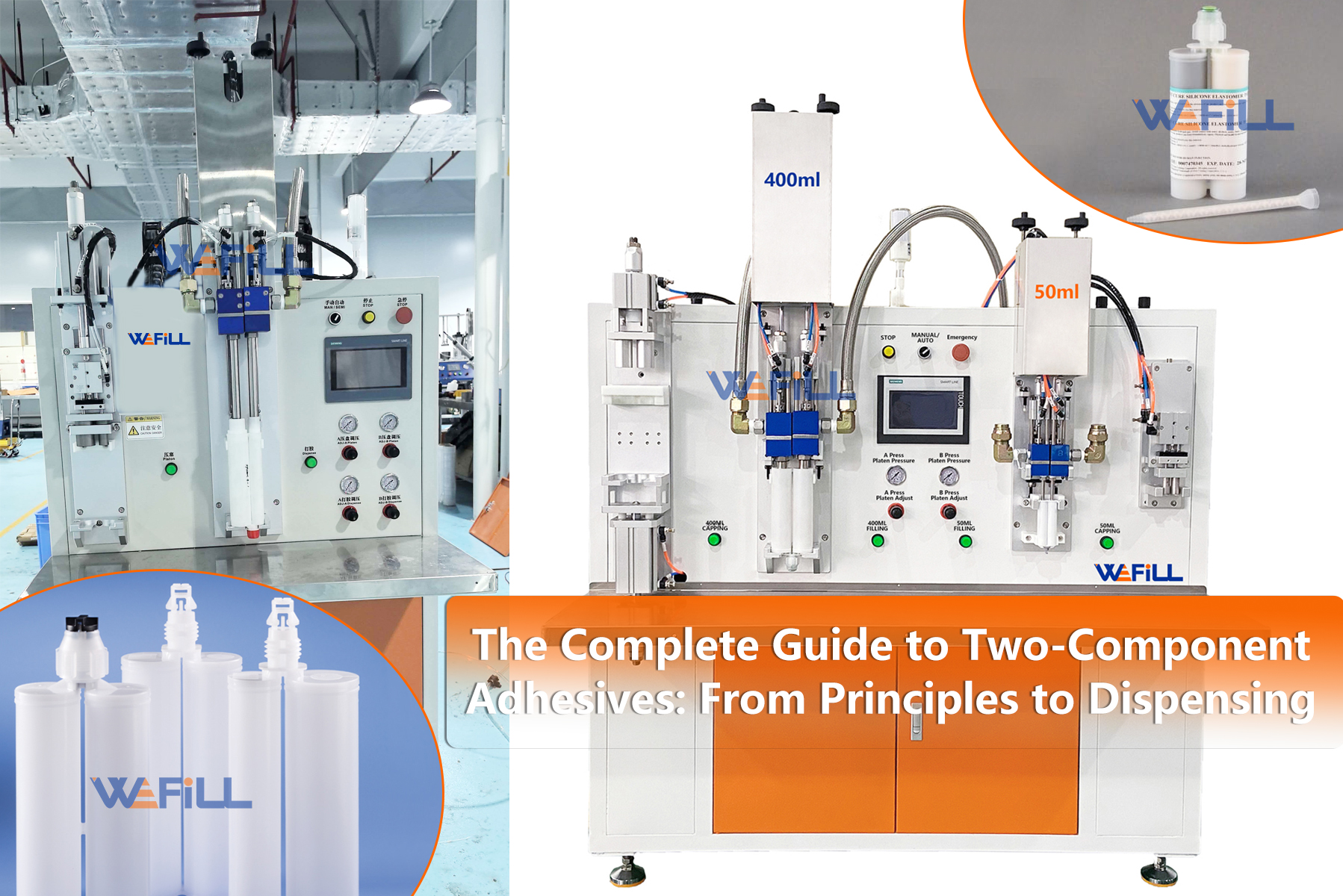
The Complete Guide to Two-Component Adhesives: From Principles to Dispensing
All the Lorem Ipsum generators on the Internet tend to repeat predefined chunks.
Articel
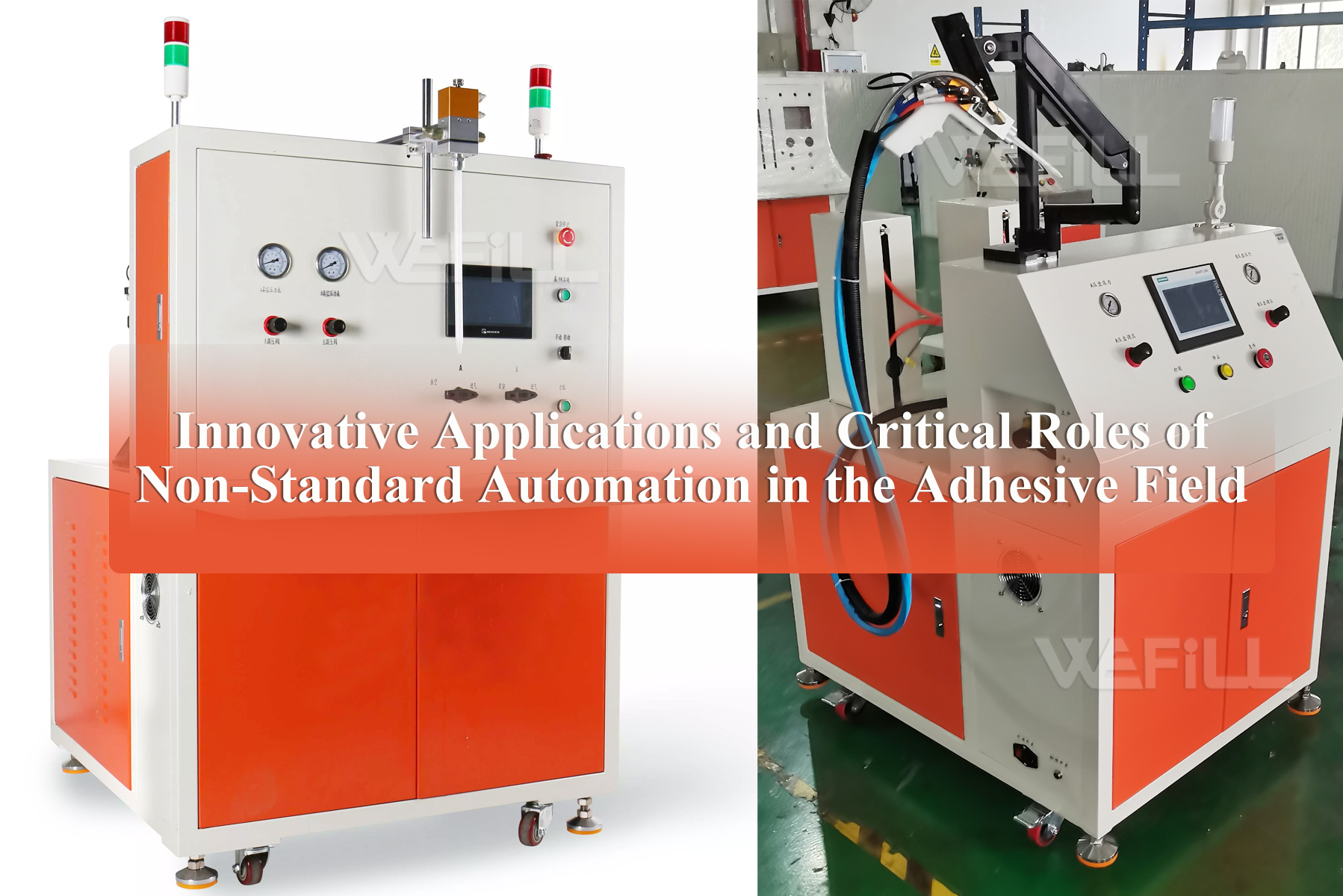
How Does Non-Standard Automation Revolutionize Adhesive Applications? — WEFILL's Future of Precision, Efficiency, and Intelligence
All the Lorem Ipsum generators on the Internet tend to repeat predefined chunks.
Articel
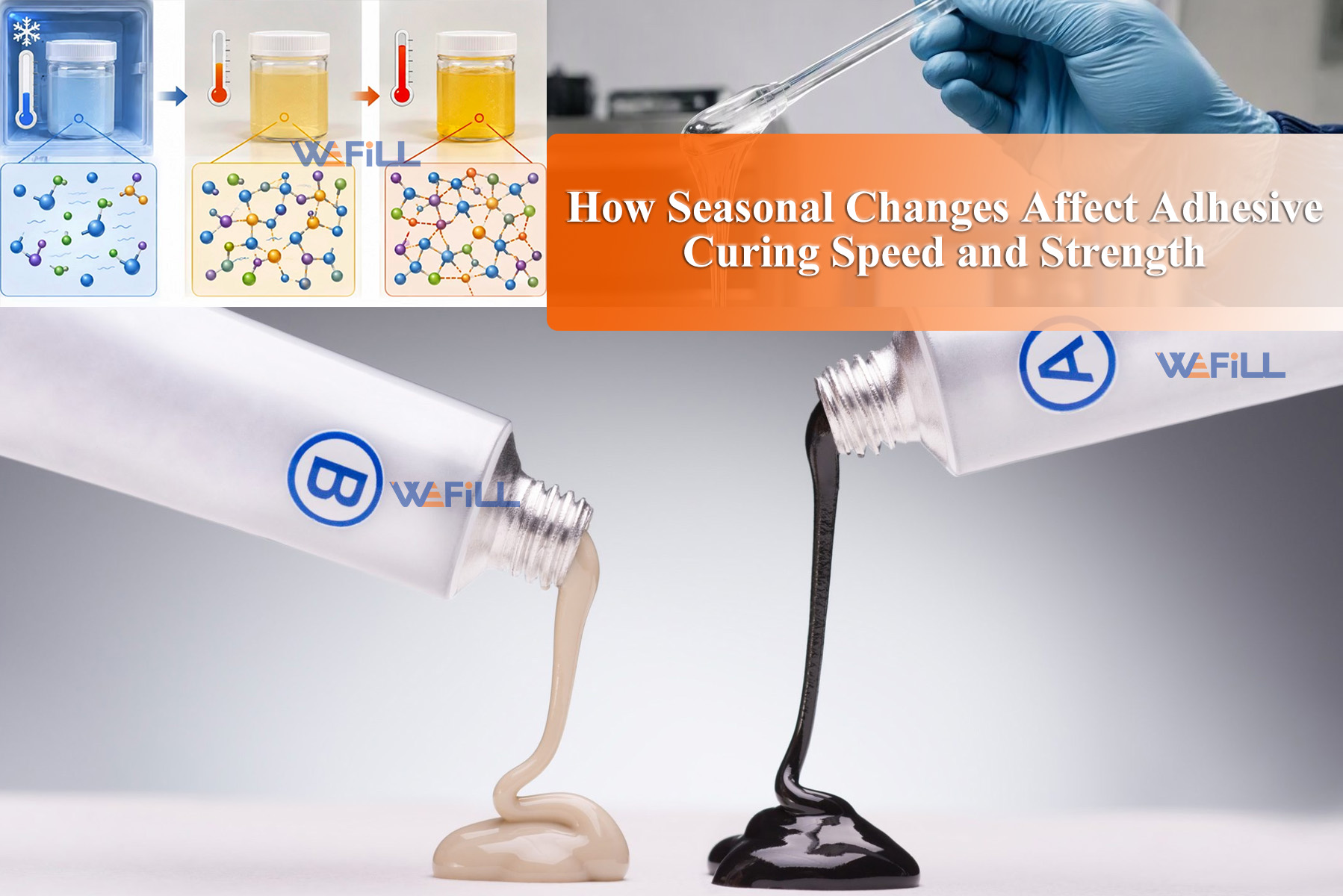
How Seasonal Changes Affect Adhesive Curing Speed and Strength
All the Lorem Ipsum generators on the Internet tend to repeat predefined chunks.
Articel
Large Platen AB Two-Component Adhesive Filling & Capping Machine: An Efficient and Precise Industrial Innovation
All the Lorem Ipsum generators on the Internet tend to repeat predefined chunks.

Articel
High-Performance Polyurethane Adhesives | Strength, Toughness & Sustainable Bonding Solutions
All the Lorem Ipsum generators on the Internet tend to repeat predefined chunks.