Articel Details
Instant Adhesive vs. Fast-Curing Epoxy Adhesive: What’s the Difference?
Learn the key differences between instant adhesives and fast-curing epoxy adhesives, including composition, strength, curing process, applications, and removal methods.
11-08-26
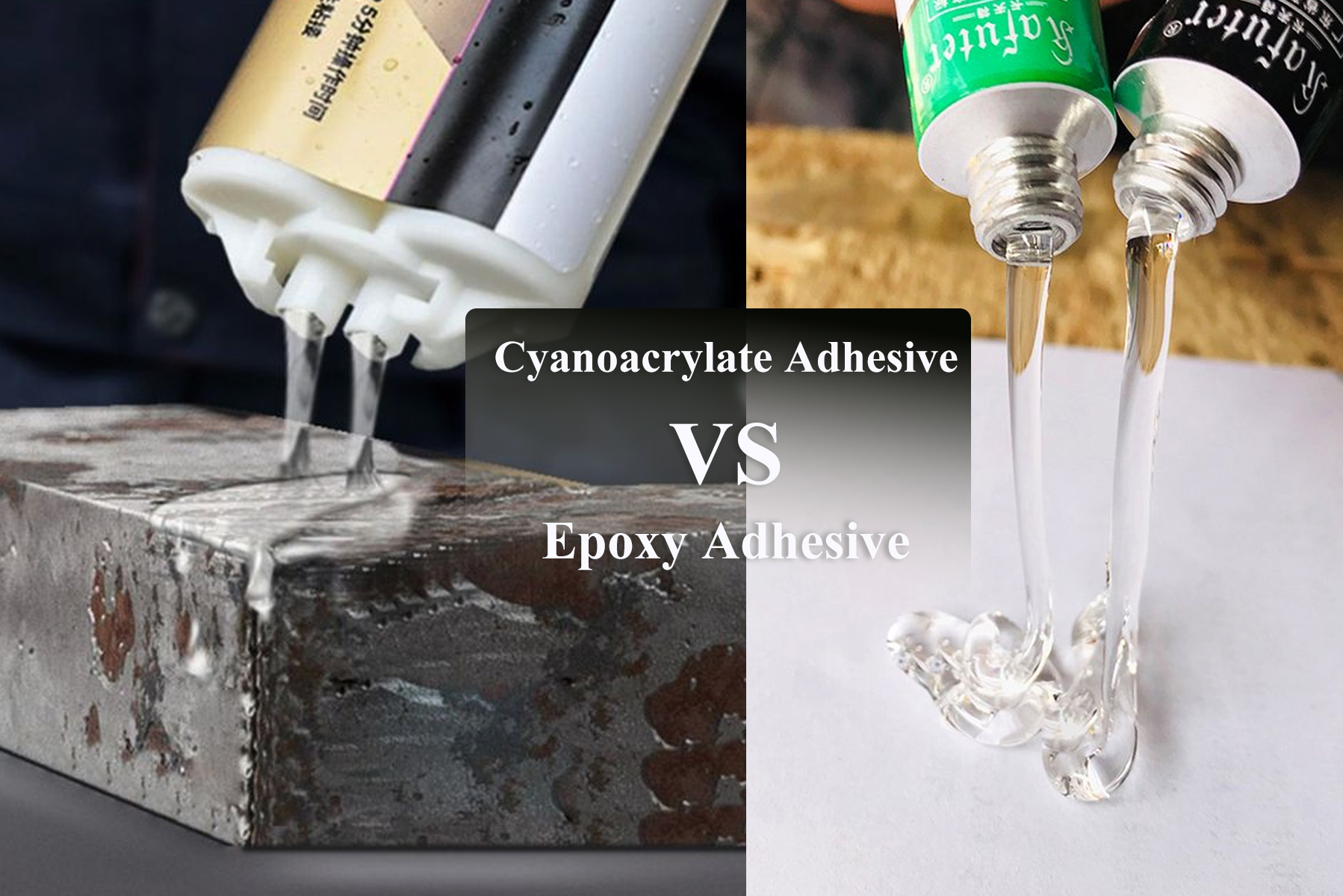 Instant Adhesive vs. Fast-Curing Epoxy Adhesive: What’s the Difference?
When customers first enter the adhesive industry, one common question often arises:
Are instant adhesives and fast-curing epoxy adhesives the same thing?
Although both adhesives are known for their quick bonding capabilities and strong adhesion, they are fundamentally different products. Understanding their differences can help you select the right adhesive for your specific application.
In this article, Huirui engineers explain the key differences between instant adhesives and fast-curing epoxy adhesives from several important perspectives.
1. Different Chemical Composition
The term "fast-curing" describes the curing speed of the adhesive, not its chemical makeup.
Instant Adhesive (Cyanoacrylate Adhesive)
Instant adhesives, commonly known as super glues, are primarily made from cyanoacrylate monomers. They are single-component adhesives that cure rapidly when exposed to moisture in the air.
Key characteristics include:
One-component formulation
No mixing required
Extremely fast curing (seconds to minutes)
Easy to use
Fast-Curing Epoxy Adhesive
Fast-curing epoxy adhesives are primarily composed of epoxy resin and hardener. Most are two-component systems, consisting of:
Part A: Epoxy Resin
Part B: Hardener (Curing Agent)
The two components must be mixed at the correct ratio before application. Once mixed, a chemical reaction occurs, resulting in rapid curing and strong structural bonding.
Key characteristics include:
Two-component formulation
Requires precise mixing
Fast curing compared with standard epoxy
Excellent structural strength
2. Different Performance Characteristics
While both adhesive types provide strong bonding, their performance capabilities differ significantly.
Instant Adhesive
Advantages:
Ultra-fast bonding speed
Simple operation
Excellent adhesion to plastics, rubber, and metals
Suitable for small-area bonding
Limitations:
Lower shear strength
Poor gap-filling capability
Reduced impact resistance
Limited performance under high temperatures and harsh environments
Fast-Curing Epoxy Adhesive
Advantages:
High structural strength
Excellent gap-filling properties
Superior chemical resistance
Better heat resistance
Strong resistance to vibration and impact
Because of these properties, fast-curing epoxy adhesives are widely used in industrial assembly, electronic manufacturing, automotive components, and structural bonding applications.
3. Ease of Removal
Another major difference lies in how easily the adhesive can be removed after curing.
Removing Instant Adhesive
Cured cyanoacrylate adhesive can typically be removed using:
Debonding agents
Acetone-based solvents
Mechanical cleaning methods
In many cases, the bonded parts can be separated without significant damage.
Removing Fast-Curing Epoxy Adhesive
Once epoxy adhesive has fully cured, removal becomes much more difficult.
Often, removal requires:
Mechanical grinding
Heating
Specialized chemical treatments
Improper removal may damage the bonded substrate itself, which demonstrates the strong structural bond epoxy adhesives create.
4. Typical Applications
Instant Adhesive Applications
Plastic components
Rubber products
Small electronic parts
Household repairs
Fast assembly operations
Fast-Curing Epoxy Adhesive Applications
Structural bonding
Automotive manufacturing
Electronics encapsulation
Metal-to-metal bonding
Industrial equipment assembly
Composite material bonding
Which Adhesive Is Better?
The truth is that neither adhesive is universally better than the other.
The best adhesive depends entirely on your application requirements, including:
Bonding materials
Required strength
Gap size
Environmental conditions
Production efficiency requirements
Temperature and chemical exposure
If you need extremely fast bonding for small parts and simple assembly processes, an instant adhesive may be the ideal choice.
If your application requires structural strength, durability, gap filling, and long-term reliability, a fast-curing epoxy adhesive is often the better solution.
Conclusion
Although instant adhesives and fast-curing epoxy adhesives both offer rapid curing, they differ significantly in composition, bonding mechanism, strength, gap-filling ability, and removal methods.
Choosing the right adhesive requires evaluating your specific operating conditions and performance requirements. By understanding these differences, manufacturers can improve product reliability, production efficiency, and overall bonding performance.
If you're unsure which adhesive solution is best for your application, consult a professional adhesive supplier or engineering team for expert recommendations.
#InstantAdhesive #Fast-CuringEpoxyAdhesive #CyanoacrylateAdhesive #EpoxyResinAdhesive #StructuralBondingAdhesive #IndustrialAdhesiveSolutions
Recent Blog Here
Related Articles
Articel
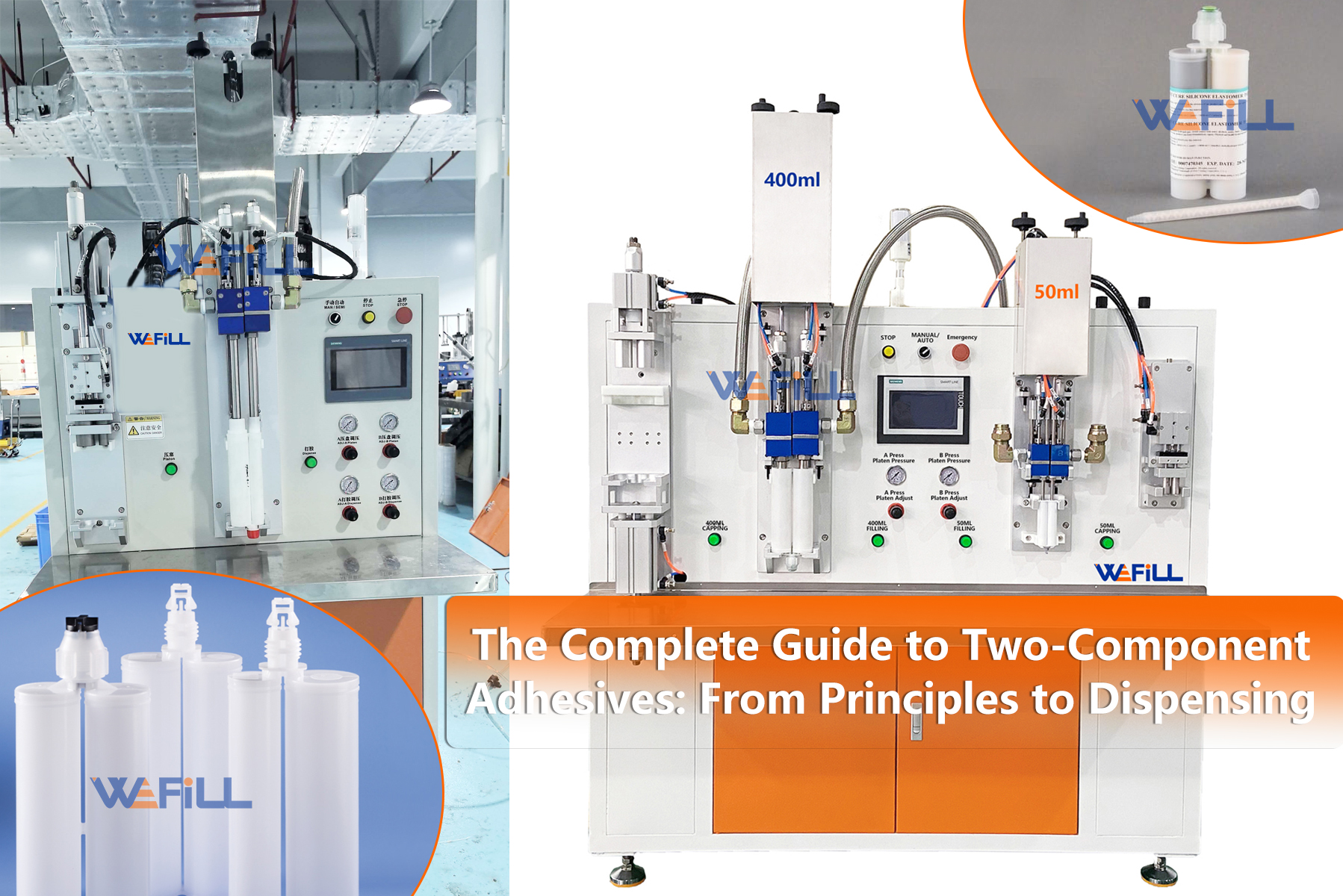
The Complete Guide to Two-Component Adhesives: From Principles to Dispensing
All the Lorem Ipsum generators on the Internet tend to repeat predefined chunks.
Articel
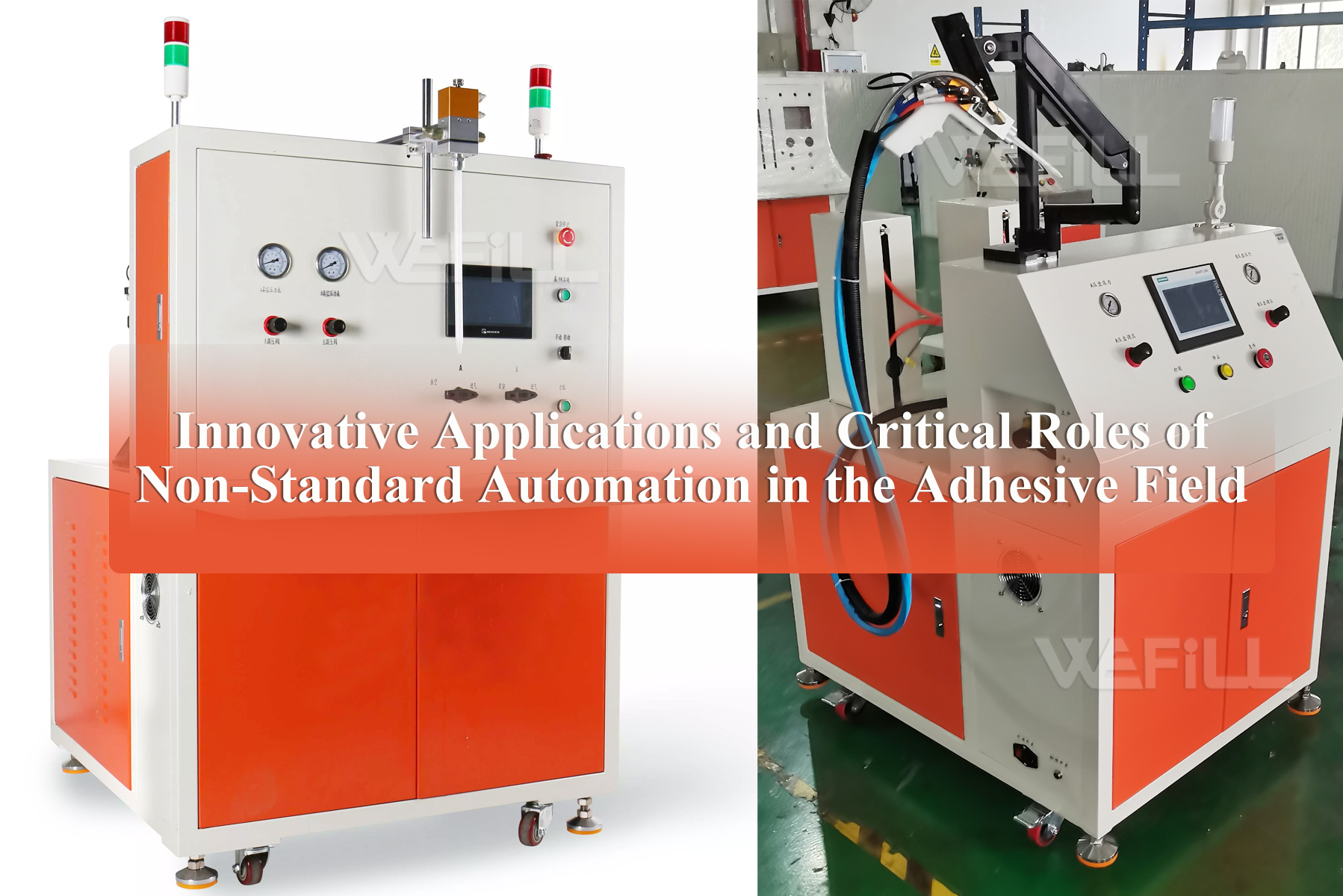
How Does Non-Standard Automation Revolutionize Adhesive Applications? — WEFILL's Future of Precision, Efficiency, and Intelligence
All the Lorem Ipsum generators on the Internet tend to repeat predefined chunks.
Articel
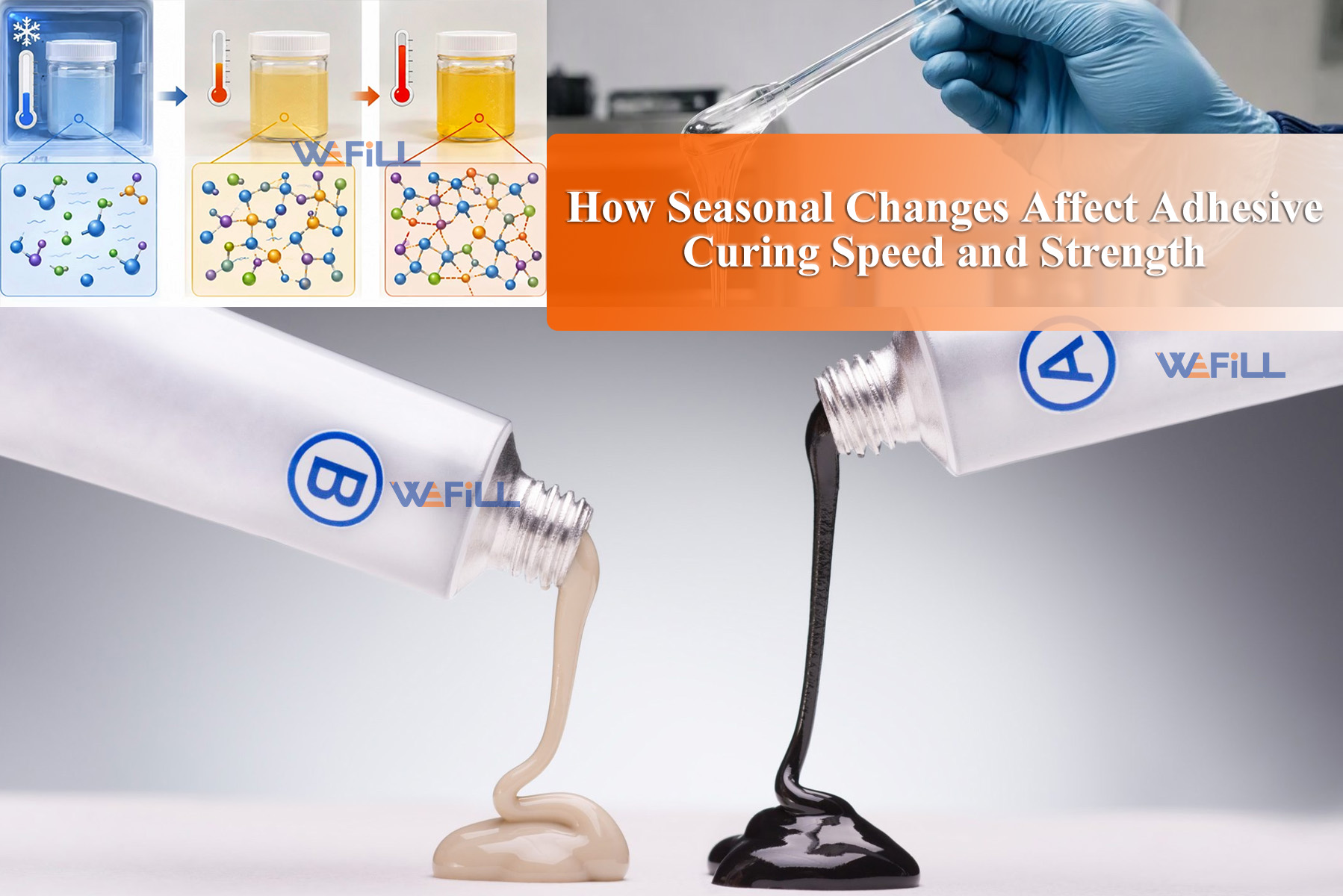
How Seasonal Changes Affect Adhesive Curing Speed and Strength
All the Lorem Ipsum generators on the Internet tend to repeat predefined chunks.
Articel
Large Platen AB Two-Component Adhesive Filling & Capping Machine: An Efficient and Precise Industrial Innovation
All the Lorem Ipsum generators on the Internet tend to repeat predefined chunks.

Articel
High-Performance Polyurethane Adhesives | Strength, Toughness & Sustainable Bonding Solutions
All the Lorem Ipsum generators on the Internet tend to repeat predefined chunks.